The future of design is not just about looking modern. It is about working better.
Every year brings a new wave of design trends. Some are useful. Some are exciting. Some look impressive in a design article but do very little for the people actually using the website.
At Foremost Media, we believe the best design trends are the ones that serve a purpose.
For most businesses, especially manufacturers, B2B companies, ecommerce brands, professional service providers, and growing organizations, a website is not just a place to “look current.” It is a business tool. It supports sales, recruiting, customer education, lead generation, brand trust, and long-term growth.
That means design decisions need to do more than follow what is popular. They need to help users understand what you do, find what they need, trust your company, and take the next step.
In 2026, the strongest design trends are pointing in that direction. Less decoration for decoration’s sake. More clarity. More usability. More flexibility. More intentional experiences.
Here are the emerging website design trends businesses should actually care about this year.
1. Clarity-First Design
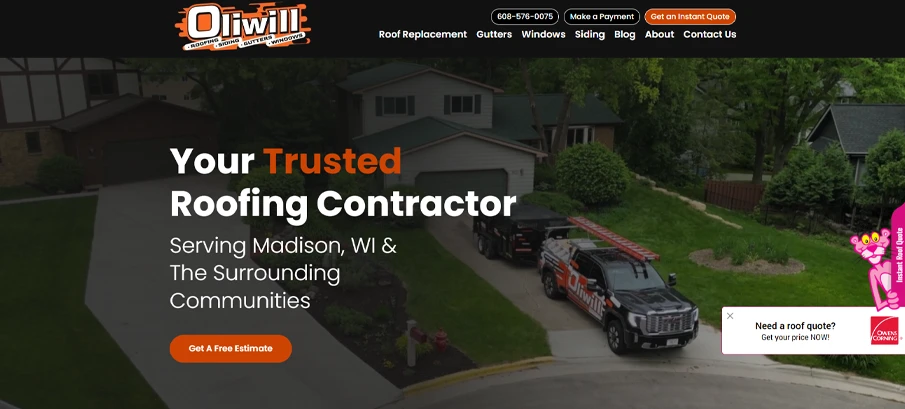
For years, many websites were designed to impress first and explain second. That approach is becoming less effective.
In 2026, clarity is one of the most important design trends.
Visitors should be able to land on your website and quickly understand:
- What you do
- Who you help
- Why are you different
- What they should do next
This is especially important for manufacturing and B2B companies. Many of these businesses have complex capabilities, technical services, custom processes, or niche audiences. The challenge is not a lack of information. It is organizing that information in a way that helps buyers, engineers, purchasers, job candidates, and decision-makers quickly find what matters.
A visually impressive website that does not communicate clearly will still lose users.
What this looks like in practice:
- Clear homepage messaging
- Simple navigation labels
- Strong page hierarchy
- Scannable service and capability pages
- Industry-specific landing pages
- Calls to action that match the customer journey
- Content written in plain language without losing expertise
Why it matters:
People should not have to work hard to understand your business. Clear design reduces friction, builds confidence, and helps the right users move forward.
2. AI-Assisted, Human-Led Experiences
AI is changing how websites are planned, written, designed, searched, and optimized. In 2026, the opportunity is not to make websites feel more automated. It is to make them more useful.
AI can support smarter search, personalized content recommendations, chat experiences, customer support, content planning, and workflow efficiency. But the strongest websites will still need human strategy, brand voice, and subject matter expertise.
That is especially true for businesses with technical products or services. AI can help organize and optimize information, but it cannot replace the real knowledge that comes from your team, your process, your customers, and your industry experience.
Useful ways AI may show up on websites:
- Smarter on-site search
- AI-assisted chat or support
- Personalized content recommendations
- Dynamic calls to action
- Better product or resource filtering
- Automated content insights
- More efficient design and development workflows
Where businesses should be careful:
AI-generated content that sounds polished but says very little will not build trust. Your audience still wants substance. They want answers, examples, proof, and perspective.
At Foremost, we see AI as a tool that can support better digital experiences, but it should not replace strategy. The goal is not more content. The goal is more helpful content.
Why it matters:
Businesses that use AI thoughtfully can create more relevant and efficient experiences. Businesses that rely on it blindly risk sounding and looking generic.
3. Accessibility as a Design Standard
Accessibility is no longer a “nice to have.” It is becoming a baseline expectation for modern websites.
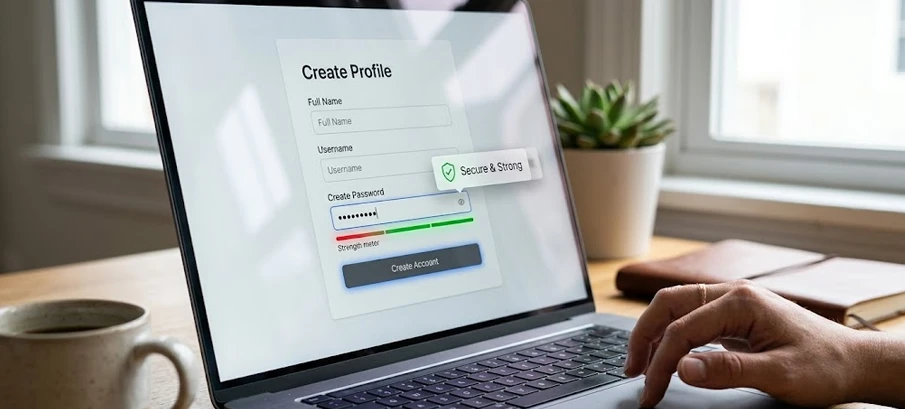
Accessible design helps people with different abilities use your website, but it also improves the experience for everyone. Clear type, strong contrast, logical headings, descriptive buttons, keyboard-friendly navigation, and well-structured content all make a site easier to use.
For manufacturing, industrial, and B2B websites, accessibility also helps organize technical information. Product pages, spec sheets, service descriptions, quote forms, and resource libraries all benefit from a clearer structure.
Accessibility improvements prioritize:
- Readable font sizes
- Strong color contrast
- Clear heading structure
- Descriptive link and button text
- Alt text for meaningful images
- Keyboard-friendly navigation
- Properly labeled forms
- Helpful error messages
- Mobile-friendly layouts
Why it matters:
An accessible website reaches more people, creates less friction, and reflects a higher level of care. It is also closely connected to usability, SEO, and trust.
4. Performance as Part of the Brand Experience
A slow website does not just hurt rankings. It hurts perception.
If your site loads slowly, shifts around while loading, lags when someone clicks, or feels clunky on mobile, users notice. They may not describe it as a performance issue, but they will feel it.
In 2026, performance is part of design.
That means creative teams and development teams need to work together. Large images, video backgrounds, animations, third-party scripts, plugins, and tracking tools all affect the user experience. A beautiful website that performs poorly is not finished.
What businesses should watch for:
- Oversized images
- Heavy video files
- Too many plugins
- Unnecessary scripts
- Slow mobile load times
- Poor hosting environments
- Forms that lag or fail
- Layout shifts while pages load
Why it matters:
Speed communicates professionalism. A fast, stable website makes your business feel more reliable before a visitor ever contacts your team.
5. Purposeful Motion and Micro-Interactions
Animation is not going away, but the way it is used is changing.
In 2026, motion should help users understand what is happening. It should guide attention, confirm actions, and make the experience feel more intuitive. It should not distract users from what they came to do.
A button that responds when clicked, a form field that confirms an action, a subtle hover state, or a smooth page transition can make a website feel more polished and helpful. But too much motion can slow the site down or make the experience feel chaotic.
Good uses of motion:
- Button hover states
- Form progress indicators
- Subtle page transitions
- Interactive product highlights
- Scroll cues
- Micro-feedback after user actions
- Simple animations that support storytelling
Poor uses of motion:
- Animation with no purpose
- Effects that slow page speed
- Movement that distracts from the content
- Scroll experiences that trap the user
- Visual gimmicks that make navigation harder
Why it matters:
Motion should build confidence. If it does not help the user understand, decide, or act, it probably does not belong.
6. More Human Storytelling
Many business websites still rely too heavily on features, specs, and corporate language.
Those details matter, especially in technical industries. But people also want to understand the story behind the company. They want to know what problems you solve, how you think, who you serve, and why your approach works.
In 2026, stronger websites will balance information with narrative.
For a manufacturer, that may mean showing the process behind a custom capability. For a service provider, it may mean explaining how your team helps clients make better decisions. For an e-commerce business, it may mean telling the story behind the product, the customer's need, or the buying experience.
Storytelling opportunities include:
- Customer success stories
- Before-and-after project examples
- Founder or leadership perspectives
- Process pages
- Team expertise
- Industry-specific landing pages
- Behind-the-scenes content
- Problem-solution blog posts
- Project photography and video
At Foremost, we often find that companies have strong stories, but those stories are hidden in sales conversations, facility tours, internal knowledge, or long-time customer relationships. A good website brings that expertise forward.
Why it matters:
Facts help people compare. Stories help people remember.
7. Bolder Visual Identity, Used Strategically
Bold typography, expressive color, layered visuals, and more distinctive brand systems are becoming more common in 2026. This is a welcome shift, especially as many websites have started to look the same.
But bold does not always mean loud.
For many businesses, the goal is not to chase every visual trend, but to create a brand experience that feels distinct, credible, and appropriate for the audience.
A manufacturer may not need neon gradients or experimental navigation. But it may benefit from stronger typography, better photography, clearer iconography, custom diagrams, and a more confident design system. A professional service firm may need warmth and credibility. An e-commerce brand may need more personality and product storytelling.
The right visual direction depends on the business, the audience, and the goal.
Smart ways to modernize visual identity:
- Larger, clearer headlines
- More intentional color systems
- Custom icons and diagrams
- Better product or facility photography
- Strong visual hierarchy
- Consistent branded components
- More white space around important content
- Motion used sparingly for emphasis
Why it matters:
A dated website can make a capable company look behind the times. Strong visual design helps communicate confidence, quality, and momentum.
8. Smarter Content, Not Just More Content
The old approach to content was simple: publish more.
In 2026, that is not enough.
Businesses need content that answers real customer questions, supports the sales process, and builds authority over time. A good blog should not exist just to fill a content calendar. It should help the right people find you, understand you, and trust you.
For many manufacturing and B2B companies, the best blog topics often come directly from real conversations:
- What do customers ask before requesting a quote?
- What do prospects misunderstand about your process?
- What problems does your team solve repeatedly?
- What makes one solution better than another?
- What should buyers know before choosing a vendor?
That kind of content is valuable because it is grounded in experience.
Better content opportunities include:
- Buying guides
- Capability explainers
- Industry trend articles
- Common problem breakdowns
- Comparison articles
- FAQ-style resources
- Project stories
- Technical education written in plain language
- Maintenance and troubleshooting resources
- Application-specific content
At Foremost, we see blogging as part of a larger digital strategy. A strong blog can support SEO, sales enablement, email marketing, social content, and customer education. The key is making sure the content has a real purpose.
Why it matters:
More content does not automatically mean better results. Useful content builds trust, improves visibility, and gives your sales team better tools to support conversations.
9. Websites Built as Living Systems
A website should not be treated as a one-time project that sits untouched for five years.
In 2026, successful websites are flexible systems. They are built so businesses can update content, add landing pages, publish resources, improve conversion paths, and respond to market changes without starting over every time.
This is especially valuable for companies that evolve over time, such as manufacturers adding capabilities, businesses entering new markets, service companies expanding offerings, or e-commerce brands adjusting product lines.
For the Foremost Media team, this is a big part of how we think about website design and development. We are not just designing pages for launch day. We are building systems our clients can actually use after launch.
We do not believe every website belongs on the same platform. Part of building a living website system is choosing the CMS or e-commerce platform that fits the client’s goals, internal team, content needs, and long-term growth plan.
For some clients, that may be WordPress. For others, it may be Umbraco, Shopify, nopCommerce, or another solution we are evaluating, such as Statamic. The platform is not the strategy. It is the tool that supports the strategy.
A living website system includes:
- Reusable design components
- Flexible page templates
- Easy-to-update content areas
- Scalable navigation
- Strong internal linking
- Blog and resource structures
- Product, service, or industry landing pages
- Analytics-informed improvements
- Ongoing SEO and UX refinement
Just as important, a living website needs client training. A site is only truly flexible if the team using it feels comfortable making updates, publishing content, and keeping information current. That is why our process includes building client-updatable websites and providing training so teams are not dependent on a developer for every small change.
Why it matters:
Your website should grow with your business. The right CMS, thoughtful page structure, and proper training can help your team keep the site fresh, useful, and aligned with your goals long after launch.
10. Trust Signals Built Into the User Journey
Trust is one of the most important design elements on any business website.
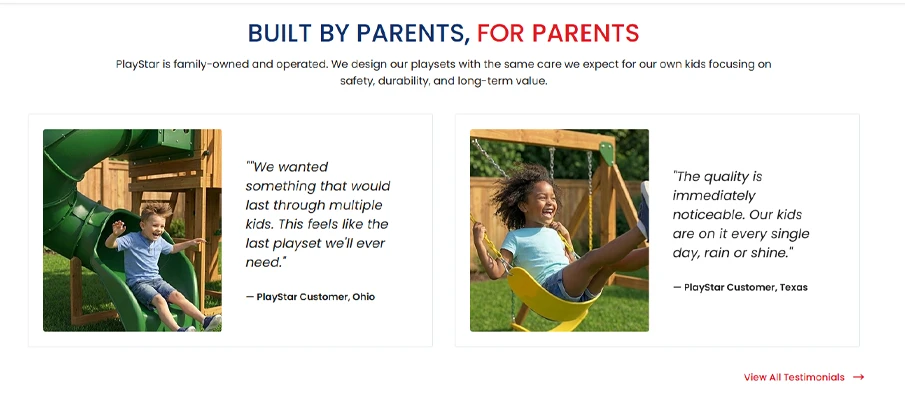
In 2026, trust signals need to be placed where they help users make decisions. A testimonials page alone is not enough. Proof should appear throughout the site.
For manufacturing and B2B companies, trust may come from certifications, industries served, equipment lists, case studies, years of experience, safety standards, quality processes, client logos, or technical expertise.
For other businesses, trust may come from reviews, project examples, media features, awards, customer stories, guarantees, or transparent process information.
Examples of useful trust signals:
- Case studies
- Testimonials
- Certifications
- Awards
- Client logos
- Industry experience
- Project examples
- Team credentials
- Facility photos
- Process documentation
- Clear contact information
- Before-and-after examples
- Product reviews or ratings
At Foremost, we look at trust as part of the full user journey. The right proof should appear near the right decision point. If a user is reading about a service, show related experience. If they are viewing a product, show helpful details and support. If they are considering a quote, make the next step feel easy and low-risk.
Why it matters:
A visitor should not have to hunt for reasons to believe you. Good design brings credibility into the flow of the page.
What These Trends Mean for Your Business
The biggest design trend in 2026 is not one specific visual style. It is the shift toward websites that are more useful, more intentional, and more aligned with how people actually make decisions.
That means your website should be:
- Clearer
- Faster
- More accessible
- More human
- Easier to update
- More connected to sales and marketing goals
- Built around your audience’s needs
Trends like AI, motion, immersive design, bold typography, and personalization can all be valuable. But they should be used with purpose.
The question is not, “What looks modern?”
The better question is, “What will help our customers understand us, trust us, and take action?”
That is where good design becomes more than visuals. It becomes a strategy.
The Future of Strategic Web Design
Design in 2026 is moving away from decoration and toward meaningful experience.
For businesses, that is a good thing.
A strong website does not need to chase every trend. It needs to communicate clearly, perform well, support your users, and reflect the quality of your business.
Whether you are a manufacturer trying to explain complex capabilities, a service provider trying to generate better leads, an e-commerce company trying to improve the buying experience, or an organization trying to build trust with a broader audience, the right design choices can make your website work harder.
At Foremost Media, we believe good design should look great, but it should also solve problems. The best websites are not just attractive. They are strategic, usable, scalable, and built with the customer in mind.
Thinking about refreshing your website in 2026? Let’s talk about what your site needs to do next.